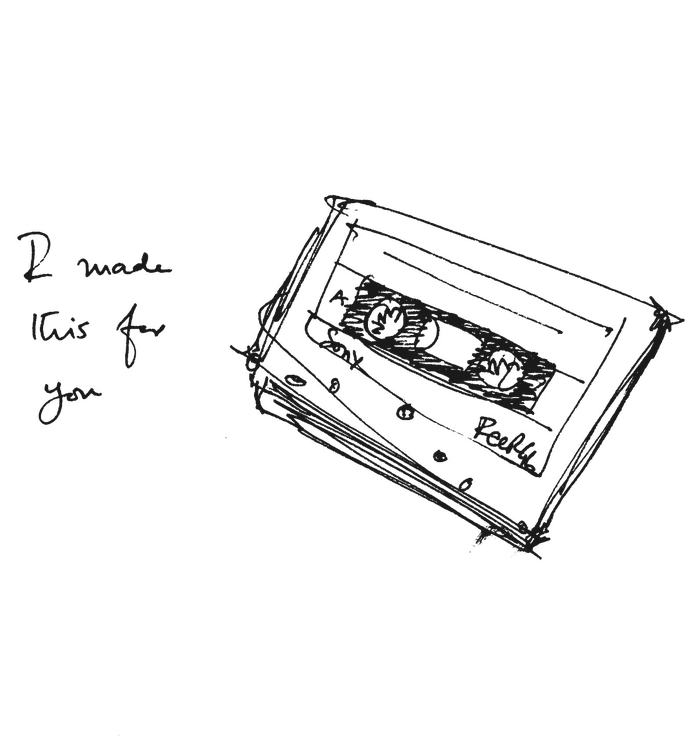
Start with your first keeper
Search for any album, track, podcast or audiobook. Give it a star rating, then write a liner note if you have something to remember. That's the beginning of your archiving journey. Years later, you'll look back and think: oh boy, those were the times.
You don't need to import your listening history or fill out your profile before you begin. One keeper is enough.
Music, podcasts and audiobooks sit in one archive, together.
Write what you want to remember
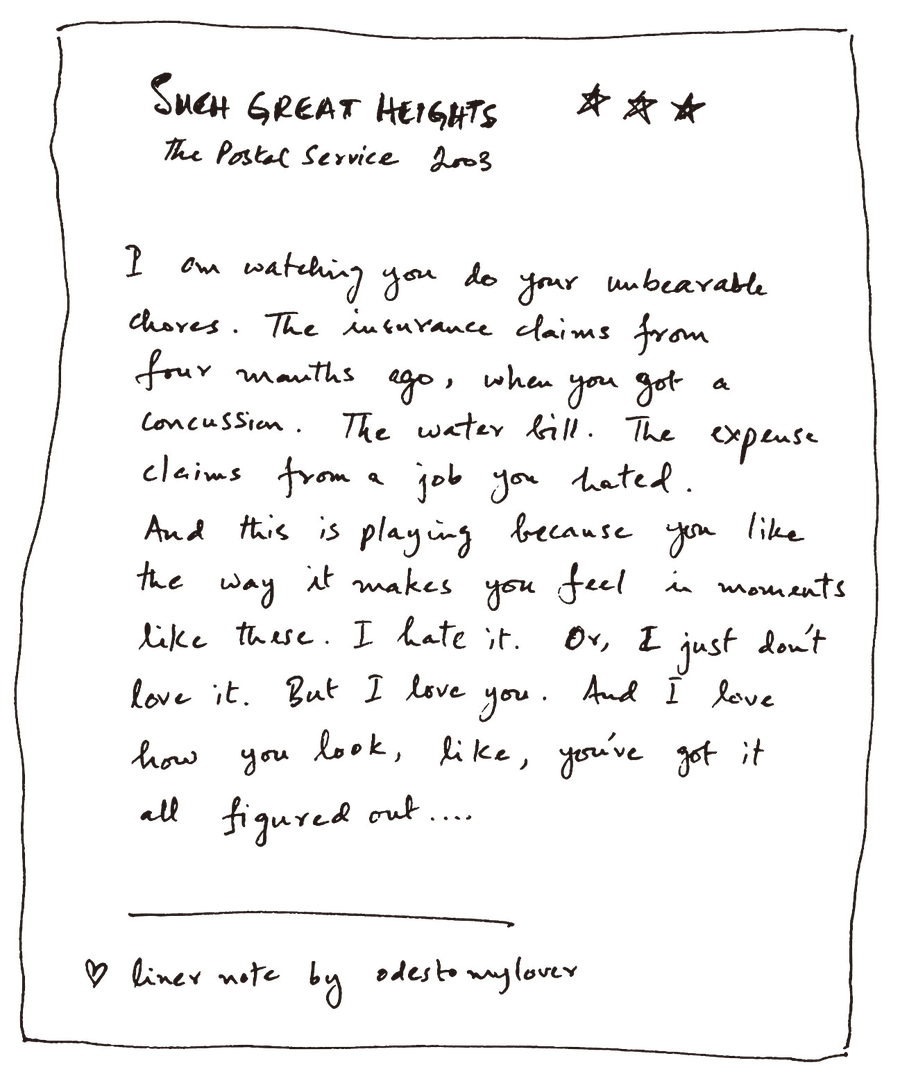
A liner note isn't only a review. It's the context that only you know — the reason you chose a sound for your archive. Write a paragraph, or a word. Plug in a memory or a mood. Your archive. Your words.
Cassette is built for writing and reading slowly. There's no comment box anywhere on it.
Build an archive, not a log
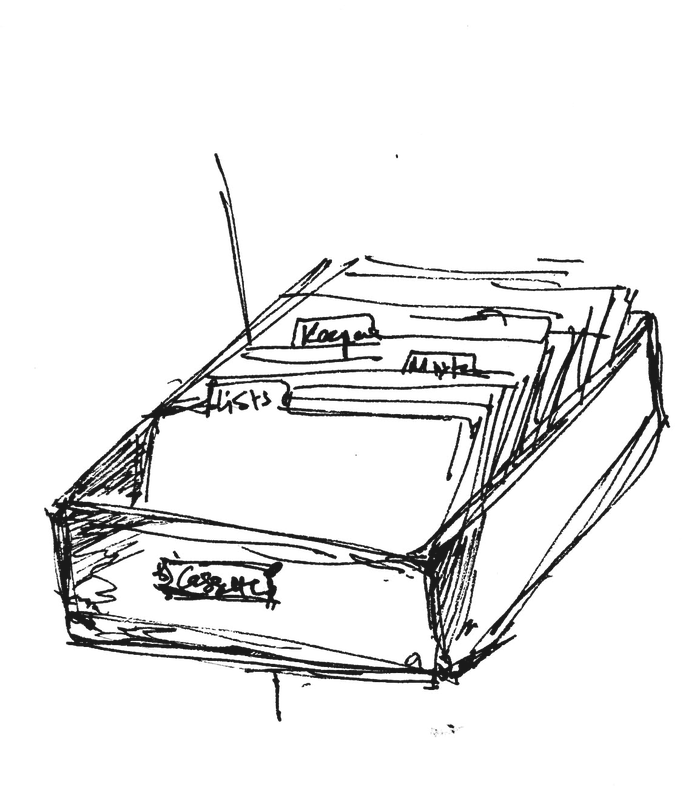
Keepers are the heart of your archive. Over time, your archive will begin to reflect your memory in sound. The songs associated with your teenage years. The podcasts you binged on work commutes.
Your Desert Island choices sit at the top, followed by lists, mixtapes and your sound map. It isn't a record of everything you've consumed. That's why it's meaningful.
Scrobbling and logging don't say anything about you. Your archive does.
Keep it private, or open it up. That's yours to decide.
See your archive take shape
Every keeper carries where it came from as much as what it is. Sound Map places your whole archive around you — in space and time.

Listen your way
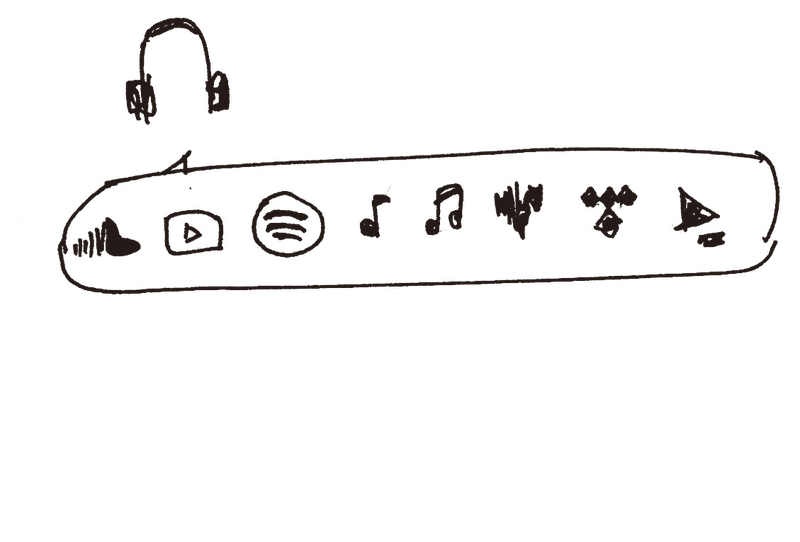
Cassette is the place to remember. It doesn't replace your player. Every item links to the listening service you already use, and music items include a short preview while you browse or write.
Discover without algorithms
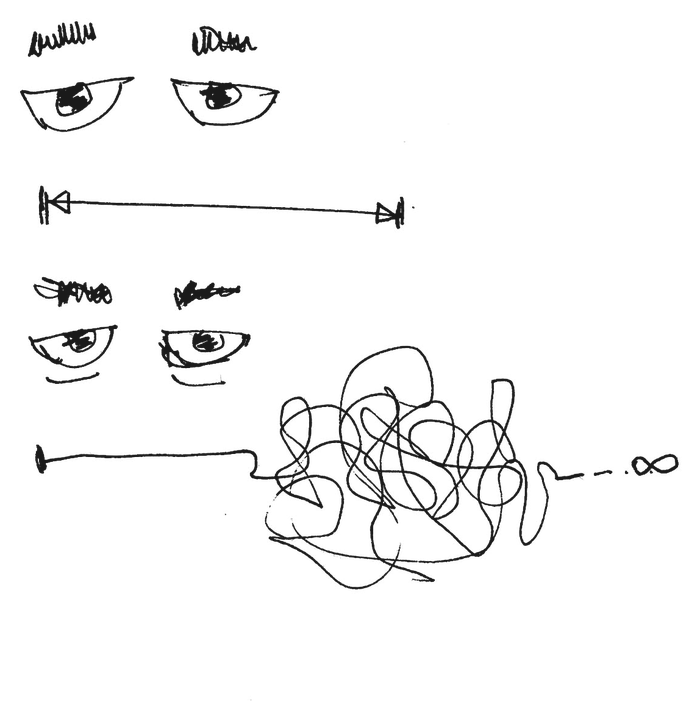
The community page is curated, not generated. Here you'll find selections from the editorial collective and the people you follow. We even come together for a weekly ritual of writing together about a sound picked by the editors. There is no infinite scroll. The goal isn't to keep you hooked, it's to help you find something worthy of your archive and your time.
Cultivate your community
Complete your archive by adding your bio, taste description, and choosing your four Desert Island keepers. Once you've shown something about yourself, you can connect with other people who care about sound in the same way.
Cassette never asks for personal information and lets you archive anonymously as much as a social butterfly. The choice is yours.
Cassette shows you how your taste lines up with your connections — measured on what you've both actually kept.

Share meaningfully
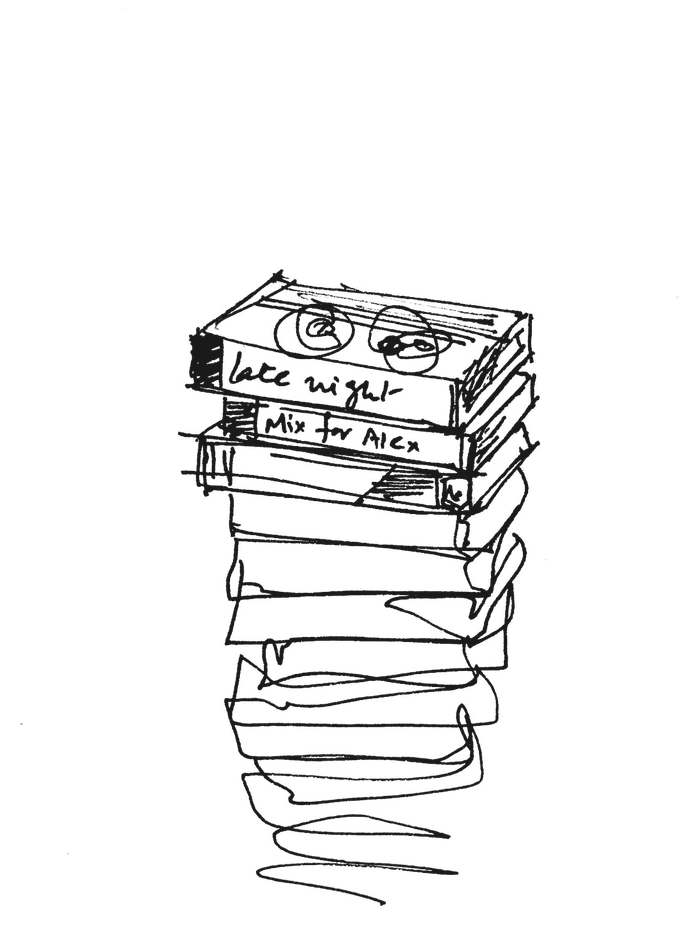
Cassette is for sharing more than links and clutter. Make a mixtape for someone. It's a new-old way to be sentimental. Mixtapes carry your notes about each track, what it means to you and why you picked it.
And any keeper can become a card — your rating, your liner note — to download or share anywhere you like. WhatsApp, Instagram, Substack, and what have you. Your shareable keeper carries your words so your friends know why it stayed with you.

A different kind of place
No follower counts. No advertising.
No infinite scroll.
Cassette grows only when you decide a sound deserves a place.